
Key Highlights & Takeaways
- Both methods share identical upfront disciplines: strict non-destructive casing inspection, precision buffing, and formulated cushion gum application.
- Hot cure (mould cure) vulcanises unvulcanised rubber and forms tread patterns simultaneously at higher temperatures—ideal for heavy-duty tippers and demanding duty cycles.
- Cold cure (precured) uses factory-vulcanised tread belts cured at lower temperatures, preserving casing flexibility for lower-wear tyres and high-mileage highway routes.
- Autoways began retreading in 1991 with hot cure and subsequently engineered in-house precured belts and cushion gum formulations, operating both processes today.
- Neither method is universally superior: casing health, axle load, and duty cycles dictate whether hot or cold retreading delivers the lowest cost per kilometre.
1. First, the Basics: What Both Methods Have in Common
If you run buses, trucks or agricultural machinery, you have probably heard retreaders talk about "hot cure" and "cold cure" retreading. Both put a new tread on a used casing, and both can give you a reliable, cost-effective tyre. But they are different processes, and each suits different tyres, vehicles and budgets.
Autoways began retreading in 1991 using the hot-cure process, and later introduced our own precured retreading belts. Today we offer both methods, so we can tell you honestly which one fits your operation. This guide explains how each works, where each performs best, and how to choose.
Whether hot or cold, every retread starts the same way. The tyre casing is inspected, the worn tread is buffed away, and a layer of cushion gum is applied to bond the new tread to the casing. Only sound casings should go forward, so a good retreader rejects casings that are damaged, too old or unsuitable.
The difference lies in the tread itself and how it is cured and bonded.
"A retreader who recommends a method before looking at your casings is guessing. At Autoways, our team assesses casing condition, tyre type and quantity before recommending a plan."
2. What Is Hot Cure Retreading?
In hot cure retreading (often called mould cure), unvulcanised tread rubber is applied to the prepared casing. The tyre is then placed in a mould and cured under heat and pressure. During this step, the rubber vulcanises and the tread pattern is formed in the mould.
At Autoways, hot retreading uses advanced technology to apply a new tread to existing tyres, giving a durable, reliable solution for heavy-duty vehicles.
- The tread rubber is cured on the casing, so it forms directly during the process.
- The tread pattern comes from the mould used.
- Heat and pressure bond the tread, cushion gum and casing together in one cure.
- It is a well-established method that has been used for decades on heavy-duty tyres.
3. What Is Cold Cure (Precured) Retreading?
In cold cure retreading, the tread arrives already vulcanised. A precured tread strip or ring, with the pattern already moulded into it, is bonded to the buffed casing using cushion gum. The tyre is then cured at a lower temperature than in the hot process.
Autoways manufactures its own precured retreading belts, which gives us direct control over tread quality and consistency. We also formulate our own cushion gum, because the bond between tread and casing is what the whole process depends on. Cold retreading is a cost-effective option, ideal for tyres with lower wear and suited to specific vehicle categories.
"Autoways manufactures its own precured retreading belts in-house, giving direct control over tread compound density and pattern uniformity."
- The tread is manufactured separately, with the pattern and rubber quality set in advance.
- Only the cushion gum layer needs to cure on the casing.
- The lower curing temperature is gentler on the casing.
- The tread comes from a controlled factory process, which supports consistent quality from tyre to tyre.
4. Side-by-Side Comparison: Hot Cure vs. Cold (Precured) Cure
Neither column is "better" in every case. The right answer depends on the casing, the vehicle and how it is used:
| Feature | Hot Cure (Mould Cure) | Cold (Precured) Cure |
|---|---|---|
| New tread | Unvulcanised rubber, cured on the casing | Pre-vulcanised tread with pattern already moulded |
| Pattern formed | In the mould during curing | At the tread factory, before retreading |
| Curing temperature | Higher temperature | Lower temperature |
| Best suited to | Heavy-duty vehicles and demanding duty cycles | Tyres with lower wear and specific vehicle categories |
| Casing stress | Casing sees more heat | Gentler on the casing |
| Tread consistency | Depends on mould and process control | Consistent, as treads are made in advance |
| Cost position | Varies with tyre size and application | Cost-effective for suitable tyres |
5. Tyre Wear Level: Why It Matters
The condition of the tyre when it comes in is one of the biggest factors in choosing a method.
Tyres with lower wear and a healthy casing are often a good fit for cold cure. The casing is in good shape, the process is gentler, and the result is cost-effective.
Heavily worn tyres and demanding heavy-duty applications are where hot retreading is well established as a durable, reliable choice.
This is why inspection comes first. A retreader who recommends a method before looking at your casings is guessing. At Autoways, our team assesses the casing condition, tyre type and quantity before recommending a plan.
6. Which Vehicles Suit Which Method?
Autoways serves the transportation, logistics, construction and agricultural sectors. Here is how the two methods generally line up with different vehicles. These are guidelines, and your own routes, loads and casing condition always matter more.
- Buses and long-haul trucks: These run high mileage under sustained load, so heat build-up and bond strength matter. Hot retreading is a proven choice for heavy-duty use, while cold cure can work well on casings with lower wear. Treads such as D1, designed for higher mileage and comfort, and TBR, for truck, bus and radial tyres, are commonly specified here.
- Tipper trucks and construction vehicles: Tough, uneven conditions call for strong tread patterns and a very secure bond. Heavy-duty hot retreading is a common fit, with a tread pattern chosen for traction and cut resistance.
- Light commercial and light vehicles: For lighter duty and tyres that are not heavily worn, cold cure is often a practical, economical option.
- Agricultural machinery: Farm tyres work hard in demanding conditions and are expensive to replace, so retreading offers major value. The right method depends on the tyre construction and wear.
7. Radial vs. Bias-Ply Tyres
It is not only the vehicle that matters, but the tyre's construction too. Autoways rebuilds both radial and bias-ply tyres, covering light vehicles, heavy-duty applications and agricultural machinery.
Radial tyres are the standard for most modern trucks and buses. Their casings are well suited to multiple retread lives when properly maintained.
Bias-ply tyres are still widely used, especially on certain heavy-duty and agricultural applications, and can be retreaded with the right process and materials.
Because construction affects how a tyre flexes, heats and wears, the right cure method and tread pattern should be matched to the tyre type. This is another reason to work with a retreader who handles both.
8. Cost: How to Think About It
Both hot and cold retreading cost considerably less than buying new tyres, but the cost comparison between the two methods depends on factors such as tyre size, quantity, tread pattern and the work needed on the casing.
Instead of asking only "which is cheaper per tyre?", ask:
- What will this tyre cost per kilometre over its life? A cheaper retread that wears out faster can cost more in the end.
- Is the casing fit for the method? A poor match wastes money whichever process you choose.
- Does the tread pattern match the work? The right pattern for your routes and loads extends tread life.
- How many lives will the casing give? Good casing care lets you retread more than once.
9. Does the Method Affect Safety?
Both methods are safe when done properly. Safety comes from three things, regardless of whether the tyre is hot or cold cured:
Autoways is ISO 9001:2015 certified, and we make our own precured belts and cushion gum in-house. Every finished tyre goes through final inspection before it leaves our plant.
"Safety comes from casing inspection, cushion gum quality, and compound consistency—regardless of whether hot or cold cured."
- A sound casing, confirmed by thorough inspection.
- A strong bond between casing and tread, which depends on quality cushion gum and correct curing.
- Quality tread and compound, made to consistent standards.
10. How to Choose: A Simple Checklist
Use these questions when deciding between hot and cold retreading for a set of tyres:
- What is the vehicle and duty cycle? Heavy-duty, high-load work leans towards hot retreading. Lighter duty and specific vehicle categories may suit cold.
- How worn is the tyre? Lower wear on a healthy casing is a good cold-cure candidate.
- Is it radial or bias-ply? Make sure your retreader handles the construction.
- What tread pattern do you need? Pattern choice depends on routes, loads and road conditions.
- How many tyres are you retreading? Fleet volumes may affect planning and cost.
11. Frequently Asked Questions
Answers to common questions regarding hot cure and cold cure retreading:
- Is hot cure better than cold cure? — Not universally. Hot retreading is well established for heavy-duty applications, while cold retreading is cost-effective for tyres with lower wear and suits specific vehicle categories. The right choice depends on your casing, vehicle and use.
- What does "precured" mean? — It means the new tread has already been vulcanised and has its pattern moulded in before it is bonded to the casing. The tyre is then cured at a lower temperature to set the bond.
- Are cold-cured retreads less safe? — No. When done on a sound casing with quality cushion gum and a proper cure, a precured retread is a safe, reliable tyre.
- Can both methods be used on the same fleet? — Yes. Many fleets use a mix, choosing the method that suits each vehicle and tyre.
- Do you retread both radial and bias-ply tyres? — Yes. Autoways rebuilds both for light vehicles, heavy-duty applications and agricultural machinery.
12. The Bottom Line
Hot cure and cold cure are two proven routes to the same goal: a safe, durable tyre at a fraction of the cost of new. Hot retreading is a trusted choice for heavy-duty work, and cold, precured retreading is a cost-effective choice for lower-wear tyres and specific vehicle categories. The best results come from matching the method to your casing, vehicle and duty cycle, and from working with a retreader that inspects every tyre and controls its own materials.
Not sure which method suits your fleet? Contact the Autoways team. We will assess your tyres and recommend the right approach.
"Contact Autoways: info@autoways.lk | 025 493 4956 | 025 493 4957 | www.autoways.lk — Plants in Anuradhapura, Kandy & Kuruwita"
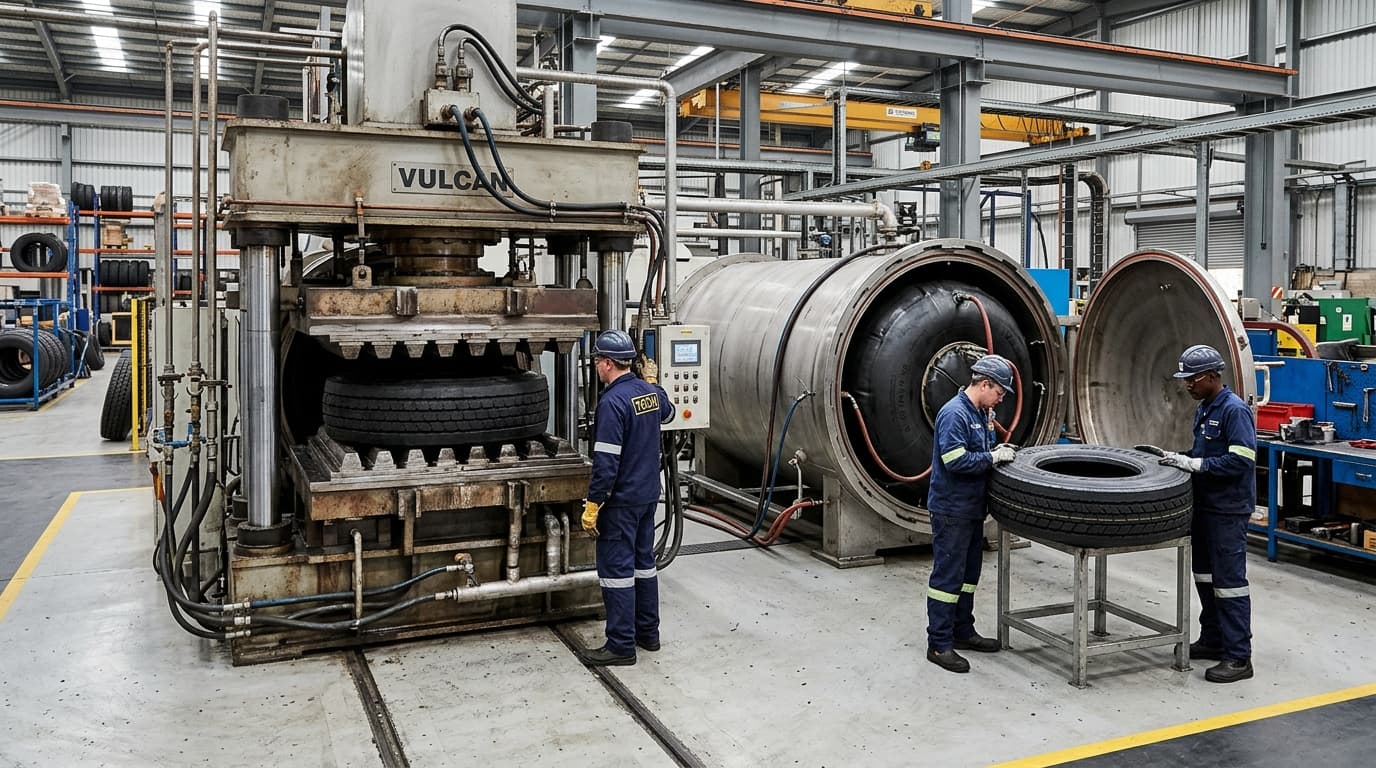
Hot & Cold Vulcanisation Technology
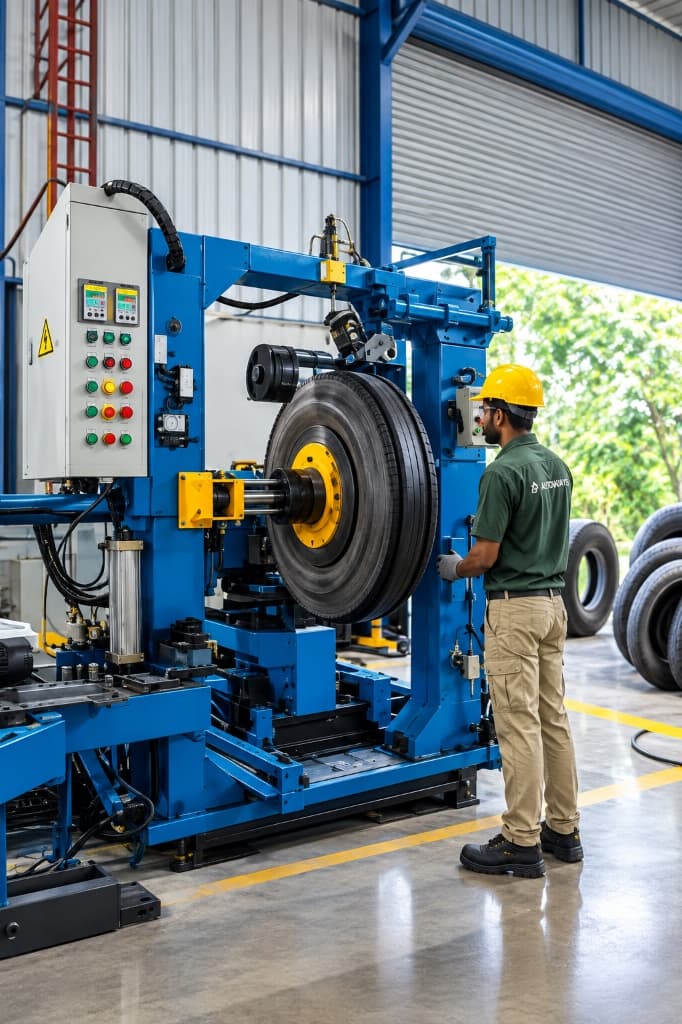
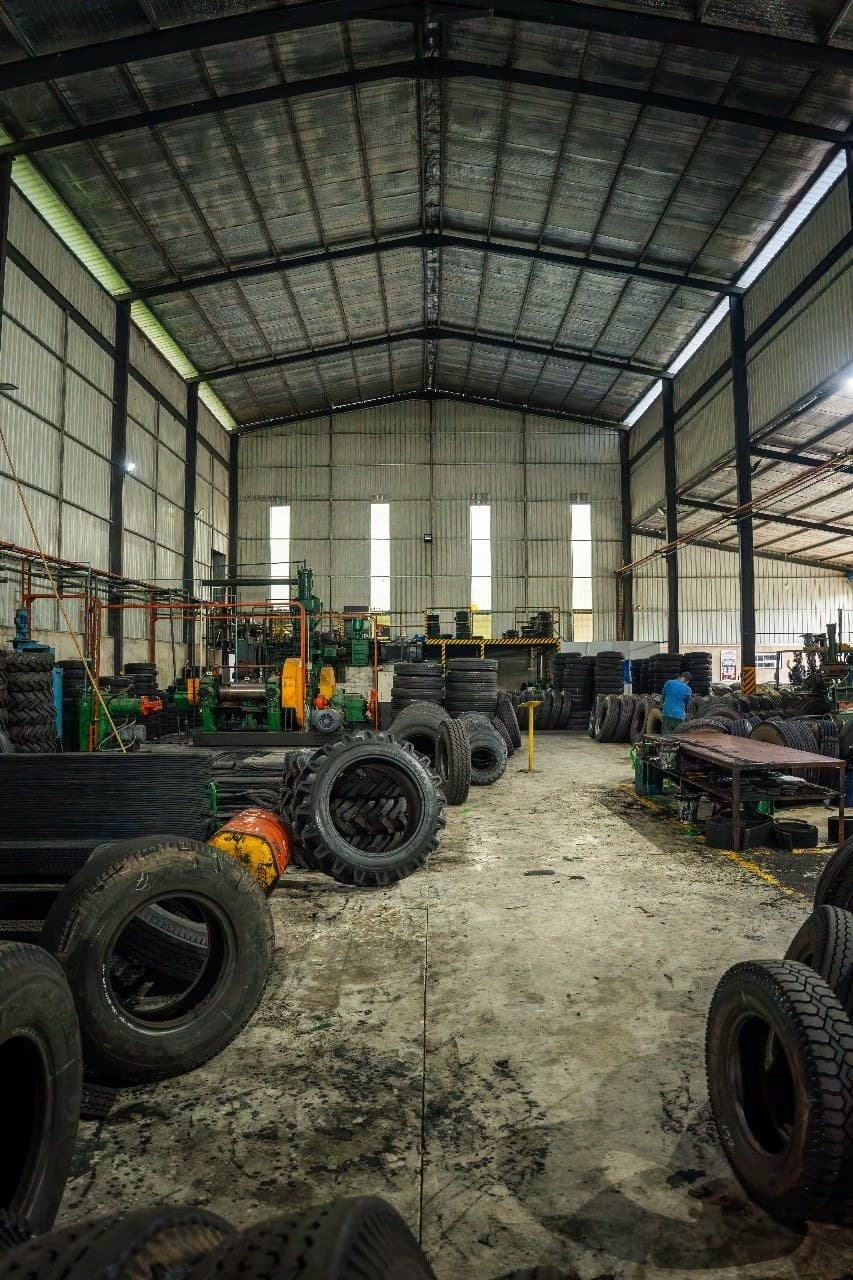
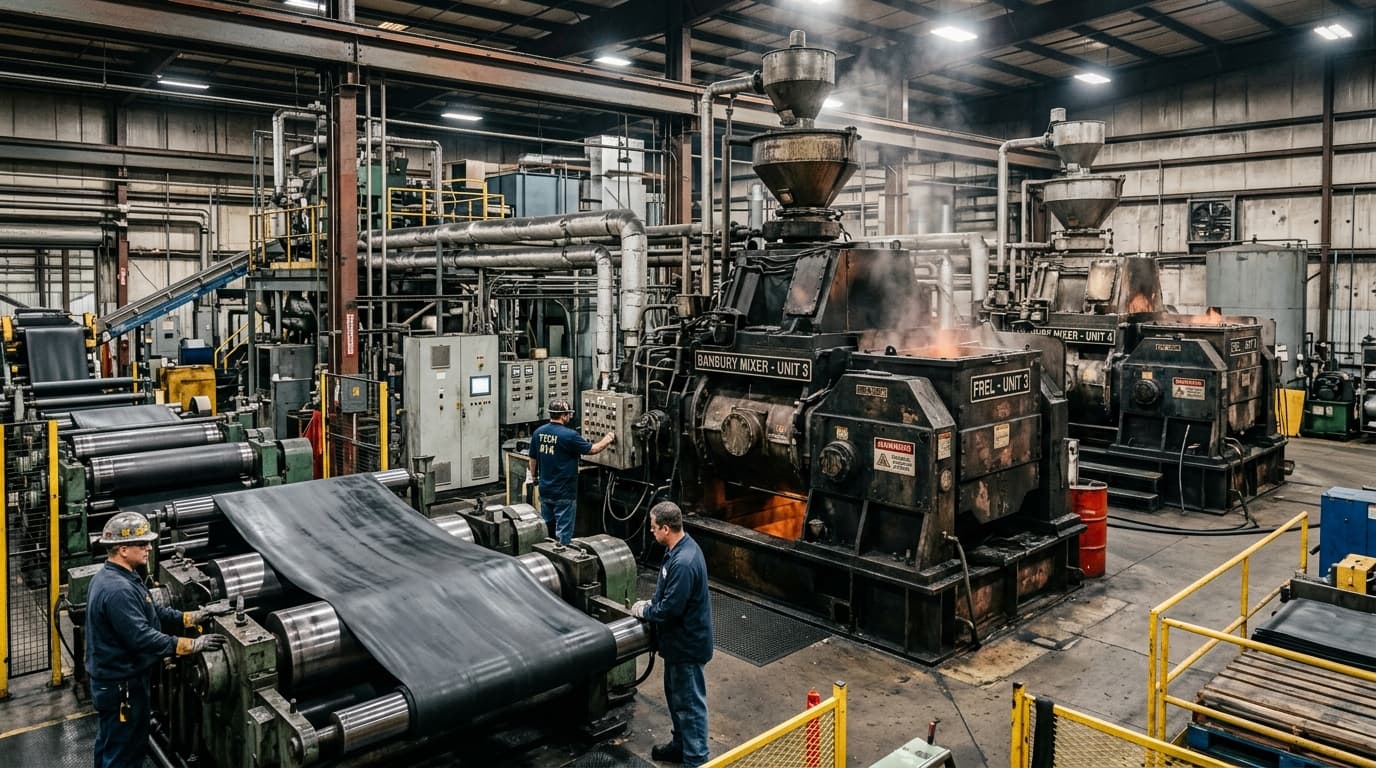
Inside Autoways manufacturing plants: high-temperature segmented mould presses, precured autoclave envelopes, and cushion gum bonding.